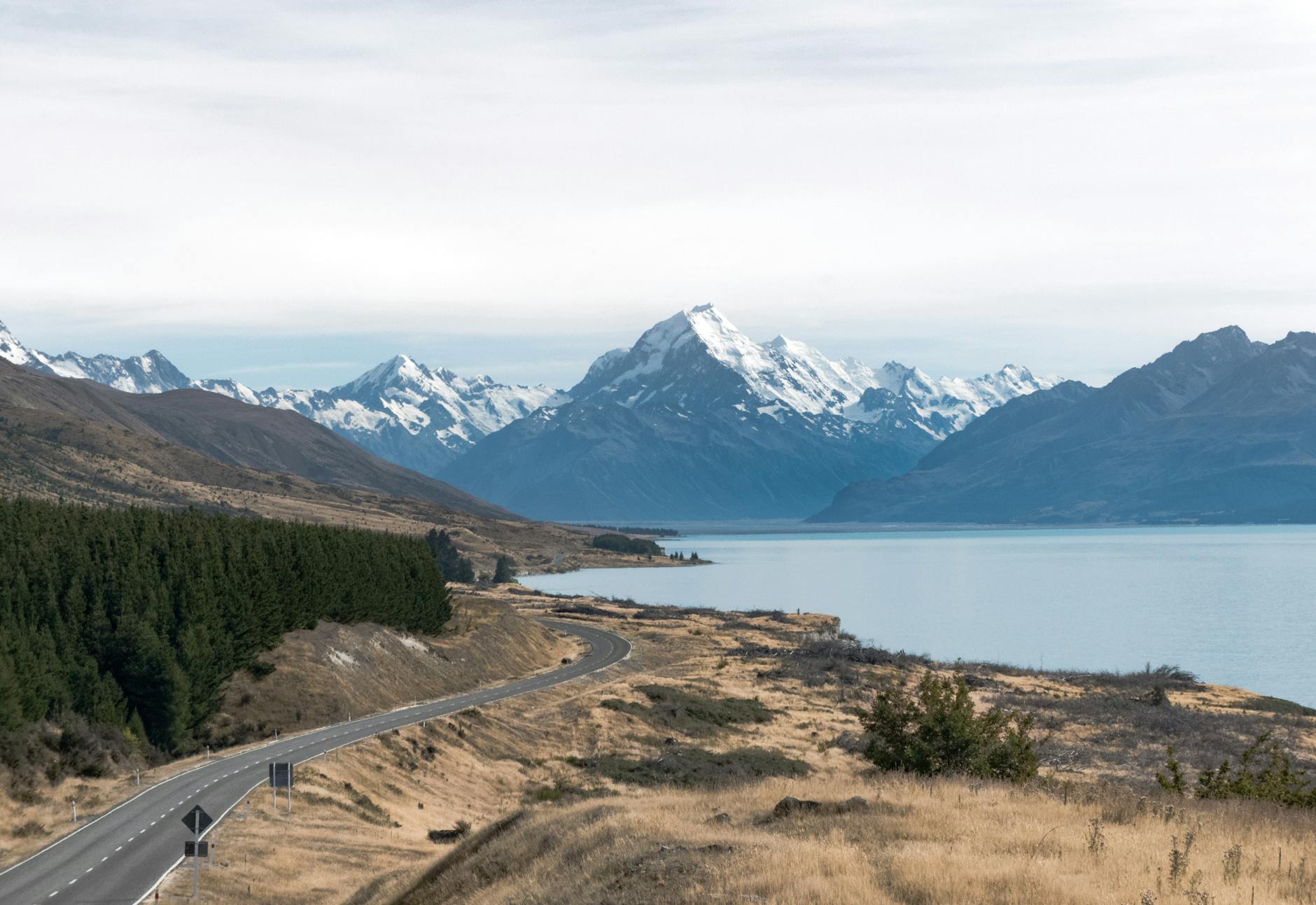
How to Experience Authentic Eco-Friendly Adventures in Australia

Discover Australia's Eco-Hotspots
There's a treasure trove of eco-hotspots in Australia that mirror the marvels found on Kenya tours. From the lush Brisbane Botanic Gardens to the unique biodiversity within our own territory, each destination offers an opportunity to rekindle your appreciation for nature. The gardens are a perfect starting point for those eager to delve into Australia's botanical wonders, much like exploring the savannahs in Kenya.
When venturing to conservation areas like the Lone Pine Koala Sanctuary, travellers can expect a journey that not only educates but also inspires responsible tourism. These experiences are reminiscent of those on Galapagos tours, where emphasis is placed on conservation efforts and wildlife protection.
For those seeking untouched beauty, the remote wilderness of places near Mount Coot-tha Lookout provides vast landscapes that call for a greater connection to our environment. Opting for such locales can contribute significantly to sustaining our planet’s diverse ecosystems. Always remember to follow sustainable travel practices, such as selecting eco-friendly accommodations and supporting local conservation-focused initiatives. Simple actions like minimising waste and respecting wildlife habitats can make a profound impact.
By respecting these natural wonders and supporting conservation efforts, we can help ensure that eco-friendly adventures continue to thrive, preserving the beauty we cherish so much. Safeguarding our natural world allows future generations to partake in and learn from the incredible ecological spectacles Australia has to offer.
Planning Sustainable Adventures
Eco-Travel Itineraries
When considering a Namibia safari or any sustainable journey, crafting eco-travel itineraries should be your first step. Take cues from the Brisbane Botanic Gardens, where flora's harmonious balance inspires eco-conscious planning. Aim to incorporate experiences that minimize environmental disruptions. Selecting carbon-neutral transportation options and prioritising activities that support wildlife and habitat preservation can significantly reduce your trip's carbon footprint. This measure not only protects Namibia's pristine landscapes but also enhances the authenticity of your experience.
Choosing Green Accommodations
An integral part of sustainable travel involves selecting green accommodations. Look for establishments that implement eco-friendly practices like solar energy usage or water conservation systems. Such facilities often prioritize local resources and provide opportunities for guests to engage in conservation projects. This approach doesn't just benefit the environment; it also affirms the importance of sustainable operations within the tourism sector.
Supporting Local Eco-Tours
Support local eco-tours to ensure the conservation of both natural and cultural heritage. Namibia tours, led by knowledgeable guides committed to ecological preservation, offer insights into the diverse ecosystems and communities. These tours often employ local residents, boosting the economy and raising awareness about regional conservation issues. By participating in these tours, you advocate for responsible travel practices that contribute positively to Namibia's environmental and socio-economic health.
Practicing Responsible Tourism
Minimize Environmental Impact
As someone deeply invested in the preservation of our planet, I'm often drawn to the diverse offerings of eco-travel like Arctic cruises and Tanzania tours. A key tenet in this field is minimizing your environmental impact. Whether you're wandering through the stoic majesty of a Tanzanian savannah or traversing the icy waters of the Arctic, employing sustainable practices is crucial. Reducing single-use plastics and choosing accommodations with green certifications are excellent starting points.
Engage in Conservation Efforts
Engaging in local conservation efforts is another way to give back to the regions we visit. For example, in Kenya, volunteering for wildlife monitoring projects can contribute significantly to ongoing conservation initiatives. Collecting data on endangered species not only enriches your travel experience but also aids researchers in formulating effective strategies for environmental preservation.
Respect Local Wildlife and Culture
Respecting local wildlife and culture is foundational to responsible tourism. In areas such as Mount Coot-tha Lookout, adhering to designated paths keeps native flora undisturbed and diminishes human-wildlife conflict. Culturally, understanding and respecting the traditions and norms of indigenous communities fosters mutual respect and learning. Observing these practices ensures that the wonders and cultural richness we explore today withstand the test of time, maintaining their essence for future generations to enjoy.
Embracing Eco-Friendly Activities
Low-Impact Outdoor Pursuits
When considering eco-friendly activities, it’s essential to think about the environmental footprint of our pursuits, even when venturing on Central America tours. Opting for low-impact outdoor activities can create enriching experiences while being gentle on nature. Hiking and biking are fantastic options, allowing for a more intimate interaction with natural landscapes without disturbing them. When water sports call your name, consider kayaking or paddleboarding over motorised vessels to avoid pollution and disturbance to aquatic life. These activities not only nurture our connection to nature but also ensure conservation for future generations.
Wildlife Observation Ethics
Being in harmony with wildlife is a cornerstone of responsible tourism. When embarking on wildlife observation, it is crucial to maintain a respectful distance from animals to avoid causing stress or altering their natural behaviour. Avoid feeding or touching wildlife, as this can lead to dependency on humans and disrupt their natural diet. Ensuring that our interactions are passive allows for genuine encounters that respect the animals and their habitats.
Sustainable Outdoor Gear
To truly embrace eco-friendly activities, the selection of sustainable outdoor gear is vital. Prioritize gear made from recycled or natural materials, as they tend to have a smaller environmental footprint. Look for certifications that endorse ethical production practices. This small but significant choice supports eco-friendly business practices and promotes sustainability. Through these actions and choices, we play our part in fostering an environmentally conscious world.
Enlightening Your Eco-Tours
Minimizing Your Impact
To make our adventures harmonious with nature, we must imbibe the essence of places like Lone Pine Koala Sanctuary, where conservation takes center stage. When visiting the enthralling realms of Kenya, such as the Maasai Mara, consider adhering to the same principles of minimal impact. Adopting the practice of leave no trace camping can significantly reduce our footprint. Ensure your travel choices reflect the reverence you hold for these pristine landscapes by avoiding single-use plastics and carrying reusable containers.
Choosing Ethical Operators
In both Brisbane and Kenya, opting for verified operators who have solid conservation credentials is crucial. Just as we trust the curators of Brisbane Botanic Gardens to offer authentic and environmentally sensitive experiences, seek operators on Kenya tours who are committed to safeguarding biodiversity. Look for certifications and affiliations with well-established wildlife organisations to avoid channels that do not contribute to conservation.
Respecting Cultural Nuances
Respect for local wildlife and communities is imperative, whether climbing Mount Coot-tha or immersing oneself in the traditions of East African tribes. Engage with local guides who offer insightful narratives that bridge cultures and embody respect and understanding. Avoid cultural exploitation by purchasing authentic crafts directly from artisans, ensuring that your economic contributions support community development.
As ecological stewards navigating both local and global ecosystems, we have a duty to protect these delicate environments. By acting thoughtfully and engaging in informed and responsible tourism, we ensure that these breathtaking destinations remain undisturbed for generations to come.